Preliminary Dance Assessment: Part A.
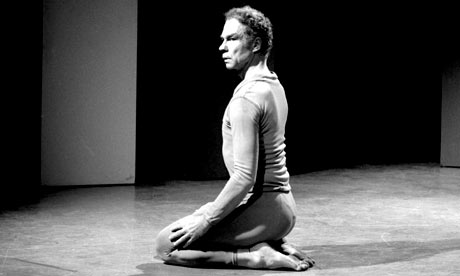
Merce Cunningham.
“You have
to love dancing to stick to it. It gives you nothing back, no manuscripts to
store away, no paintings to show on walls and maybe hang in museums, no poems
to be printed and sold, nothing but that single fleeting moment when you feel
alive.”
- Merce Cunningham
Merce thought that nearly everything you look at can be seen through movement, he would look for movement in everyday life. The movements of the inspired plants and animals were reproduced during his choreography.
Merce choreographed precise steps but allowed himself to play with timing. Merce was motivated by the possibilities women gave in movement such as unbroken graceful qualities contrasted to the possibilities men gave in movement such as infrequent strong characteristics. Merce said these movements of men and women complemented each other. He was also inspired in the human body in relation to space.
The Merce Cunningham Dance Company (also known as the MCDC) was formed in 1953 by Merce Cunningham. The company reflects Merce’s techniques and movement. In the companies early years it had a small repertoire and was like a family. The company performed it’s farewell tour in 2011.
Cargo X 1989: A group dance with 3 male and 4 female dancers, dancing in unison using a ladder and flowers as props.
Scramble: This piece explores Cunningham’s enthralment with the possibilities of men and women in relation to movement.
Nearly Ninety: This piece was Merce’s last piece of choreography.
The intention of Merce’s work was highly expressive. He deconstructed classicalism in his style and technique. Merce discarded traditional elements of dance. Cunningham did not have a storyline or explore psychological matters in his choreography; he was more concerned about movement potential, he produced passion through the movements of the human body.
The use of ‘chance’ was an innovative technique created by Cunningham. He would use the method of chance to determine a sequence of choreography; he found this technique somewhat challenging at times to make this method work successfully. He believed this method of chance brought about new possibilities in choreography and movement that otherwise would not have been discovered.
Significant Role in the Development of Dance.
Merce Cunningham played a significant role in the development of modern dance. He was given the title as “The world’s greatest living choreographer”. Merce is known for his originality, pushing the boundaries and using abstract movements in his choreography. Merce changed people’s view on the relationship of music to dance, changed the structure of choreography expanding possibilities of space and time in relation to dance.
